
Ivermectin
-
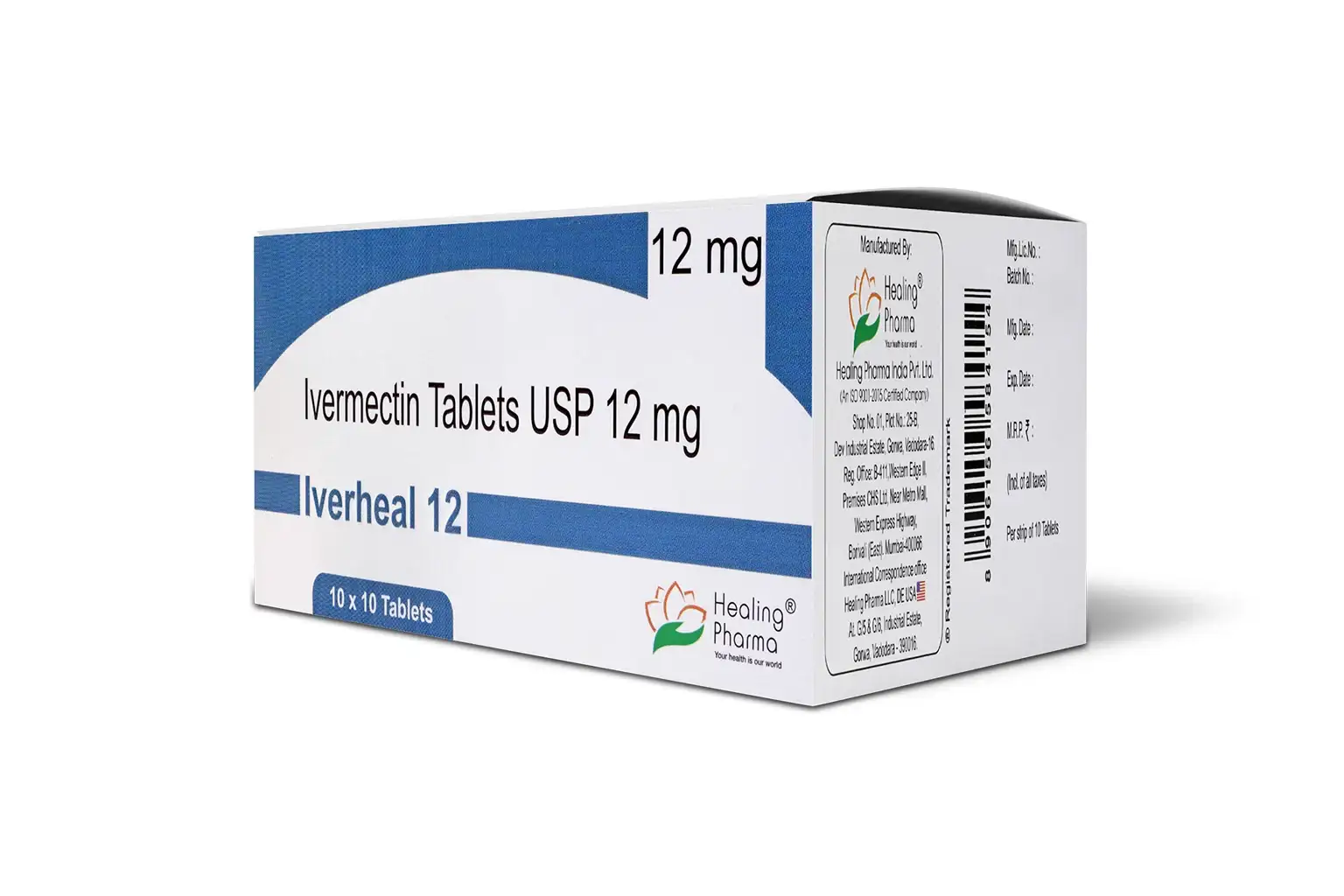
Iverheal 12 mg
$40.00 – $300.00Price range: $40.00 through $300.00Rated 4 out of 5Shop Now This product has multiple variants. The options may be chosen on the product page -
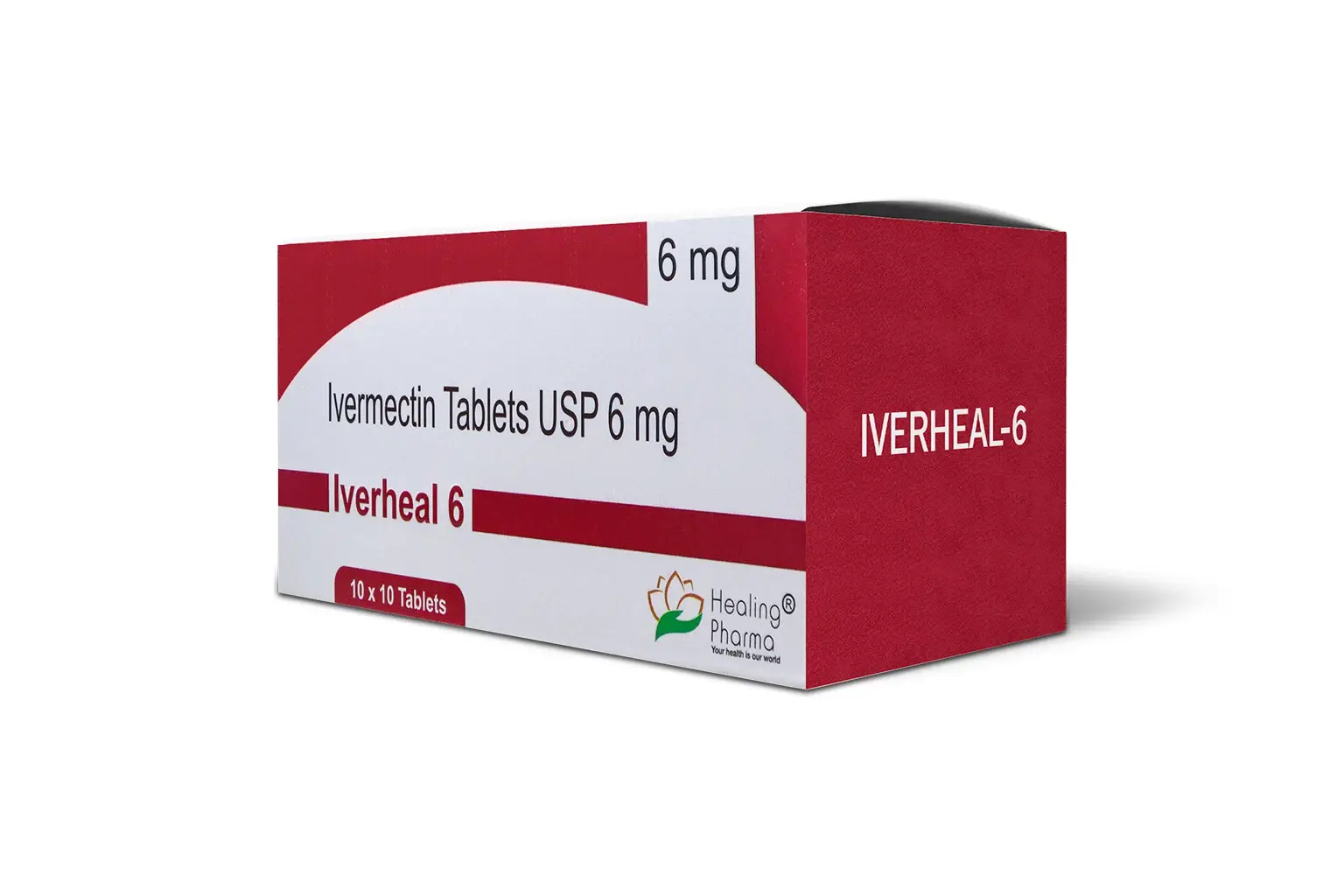
Iverheal 6mg
$50.00 – $280.00Price range: $50.00 through $280.00Rated 4 out of 5Shop Now This product has multiple variants. The options may be chosen on the product page -
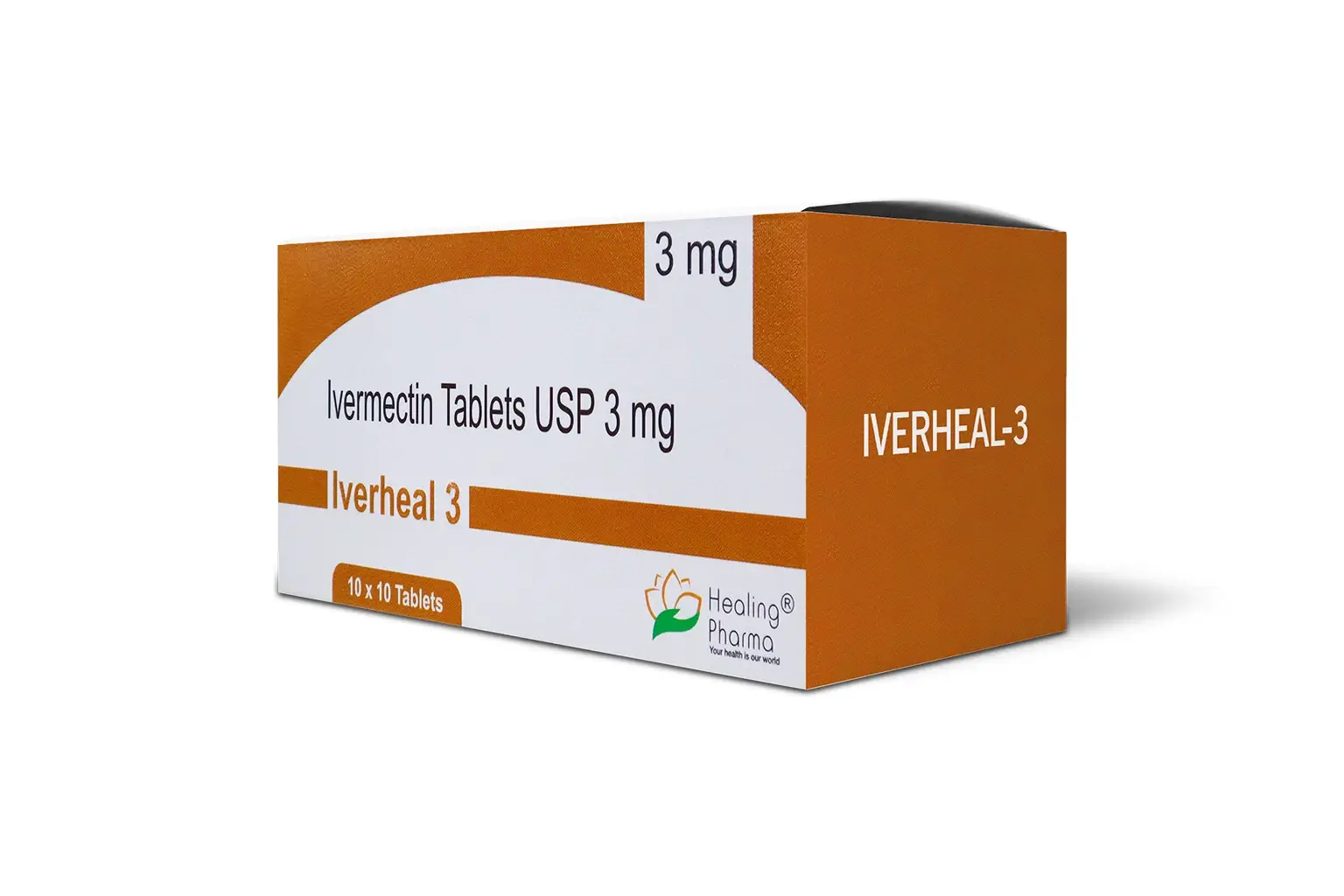
Iverheal 3mg
$30.00 – $200.00Price range: $30.00 through $200.00Rated 4 out of 5Shop Now This product has multiple variants. The options may be chosen on the product page -
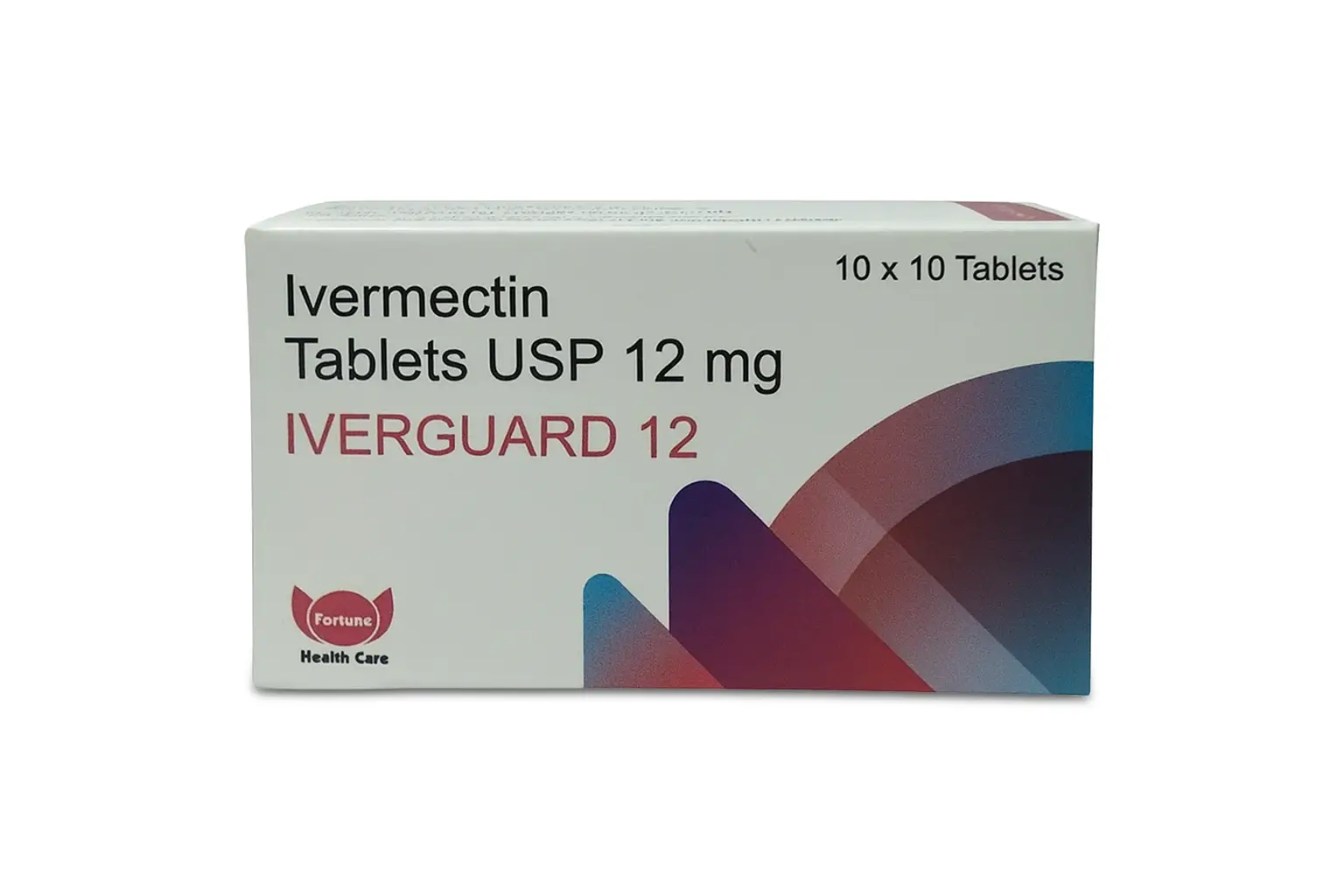
Iverguard 12 mg
$40.00 – $280.00Price range: $40.00 through $280.00Rated 4 out of 5Shop Now This product has multiple variants. The options may be chosen on the product page -
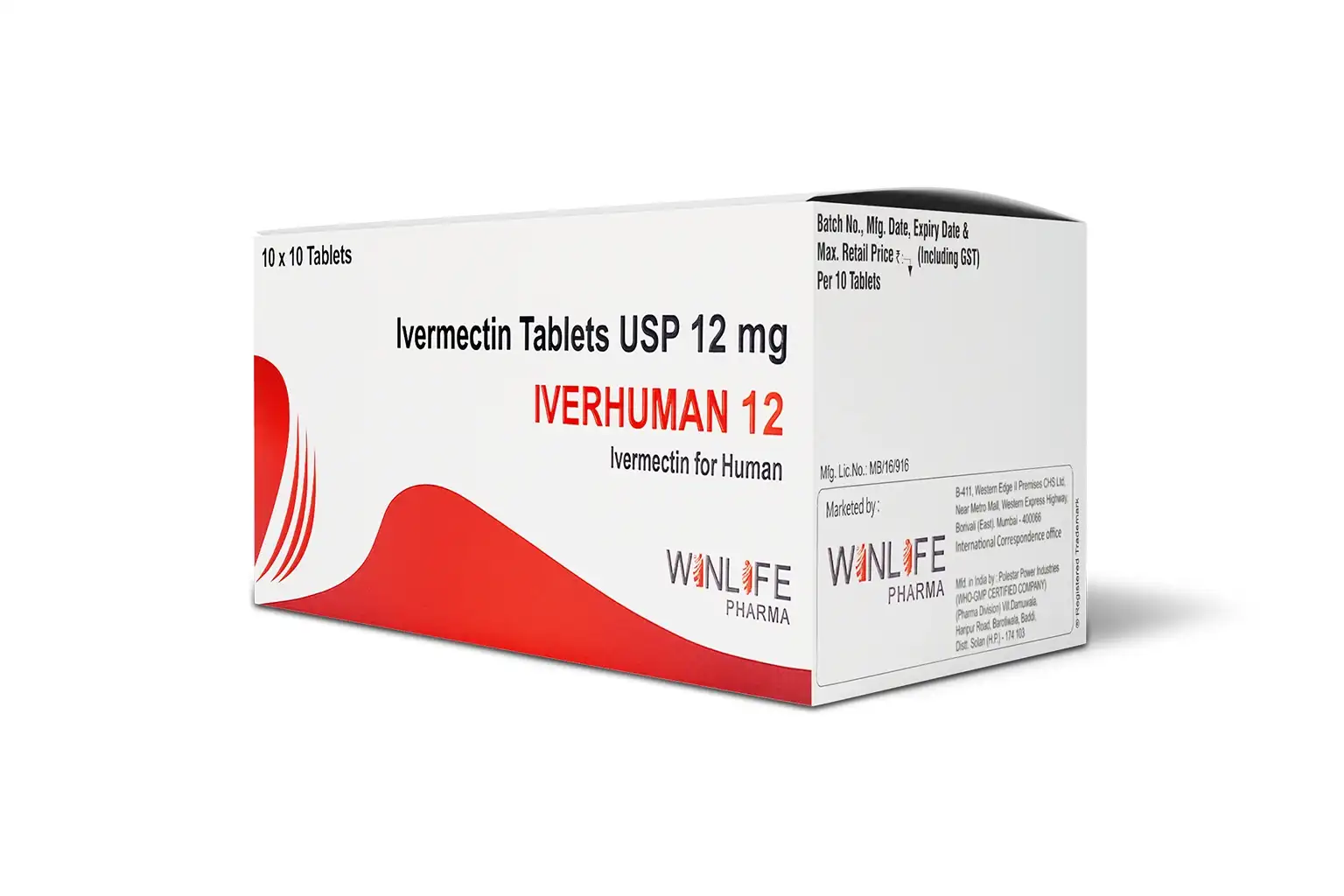
Iverhuman 12 mg
$28.00 – $295.00Price range: $28.00 through $295.00Rated 4 out of 5Shop Now This product has multiple variants. The options may be chosen on the product page -
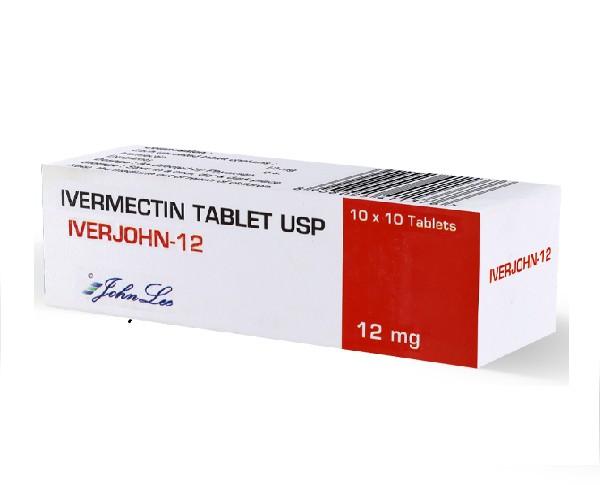
Iverjohn 12mg
$40.00 – $290.00Price range: $40.00 through $290.00Rated 4 out of 5Shop Now This product has multiple variants. The options may be chosen on the product page -
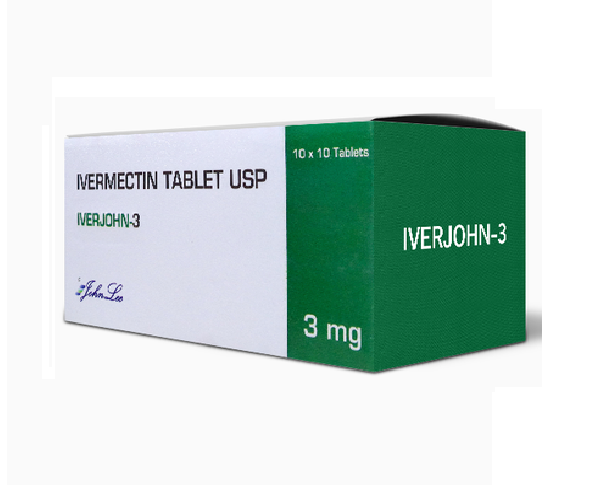
Iverjohn 3mg
$50.00 – $280.00Price range: $50.00 through $280.00Rated 4 out of 5Shop Now This product has multiple variants. The options may be chosen on the product page -
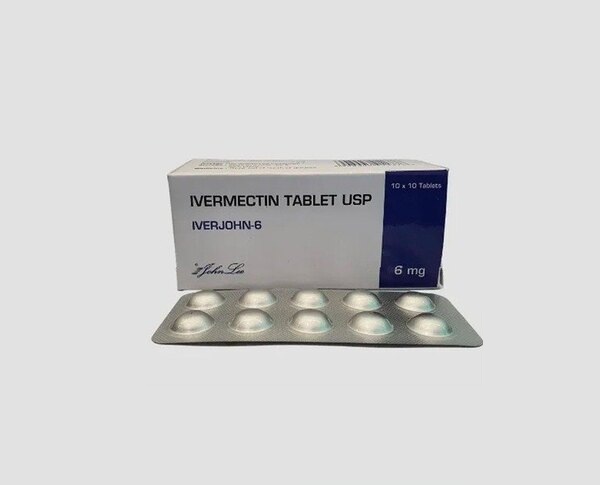
Iverjohn 6mg
$30.00 – $230.00Price range: $30.00 through $230.00Rated 4 out of 5Shop Now This product has multiple variants. The options may be chosen on the product page
Ivermectin is an antiparasitic agent that has been in clinical use since the 1980s, belonging to the avermectin class of drugs. It is approved for treating several parasitic infections in adults and has been extensively studied across global health programs. This page provides factual, clinically grounded information — covering how the medication works, dosage considerations, side effects, drug interactions, and contraindications.
How Ivermectin Works
This medication works by selectively targeting the nervous system of parasites. It binds to glutamate-gated chloride ion channels found in invertebrate nerve and muscle cells, causing hyperpolarization that leads to paralysis and death of the parasite. Human cells are largely unaffected because mammals lack these specific chloride channel subtypes, and the drug does not readily cross the human blood-brain barrier at standard therapeutic doses.
Dosage Considerations
Tablets are available in 3mg, 6mg and 12mg strengths. The correct dose is always calculated based on body weight, and also depends on the specific condition being treated — there is no universal fixed amount. A qualified healthcare provider must determine and supervise dosing. Self-medicating based on non-medical sources carries a genuine risk of under- or over-treatment, both of which can have clinical consequences.
Side Effects of Ivermectin
Most patients tolerate this medication well at the correct dose. When side effects occur, they are typically mild and resolve within one to two days.
Mild / Common Side Effects
- Nausea or upset stomach — often occurs when taken on an empty stomach and usually resolves quickly.
- Dizziness or lightheadedness — generally mild and short-lived; avoid operating machinery if affected.
- Diarrhea — a common gastrointestinal response that typically clears without intervention.
- Skin rash or itching — may reflect a die-off reaction to parasites rather than a direct drug reaction.
Serious Side Effects
- Severe skin reactions or blistering — requires immediate discontinuation and urgent medical evaluation.
- Swelling of the face, hands, or feet — may indicate a significant allergic response.
- Neurological symptoms such as confusion, tremors, or loss of coordination — rare but serious; seek emergency care.
If any serious side effect occurs, stop use and contact a healthcare provider immediately.
Drug Interactions
This drug can interact with several medication classes. Always inform your doctor or pharmacist of all drugs, supplements, and herbal products you are currently taking before starting treatment.
- Warfarin and anticoagulants — the anticoagulant effect of warfarin may be enhanced, increasing bleeding risk. INR monitoring is recommended if co-administration is necessary.
- Barbiturates and benzodiazepines — combined use with CNS depressants may amplify sedative effects.
- Valproic acid — some evidence suggests altered drug metabolism when co-administered with valproate-based medications.
- P-glycoprotein inhibitors (e.g., certain HIV antiretrovirals) — these drugs can raise plasma levels of this medication, increasing the risk of toxicity.
- Other antiparasitic agents — combining multiple antiparasitic drugs without medical supervision may produce unpredictable interactions.
This list is not exhaustive. A full medication review by a physician or pharmacist is essential before starting treatment.
Who Should Not Use This Medication
This antiparasitic is not appropriate for everyone. The following groups should avoid it or proceed only under close medical supervision:
- Pregnant women — use is generally not recommended, particularly in the first trimester, due to insufficient human safety data.
- Breastfeeding mothers — the drug passes into breast milk in small amounts; medical guidance is required before use.
- Children under 15 kg body weight — the safety profile in very young or low-weight children has not been adequately established for most indications.
- Patients with severe liver impairment — since the drug is hepatically metabolized, those with significant liver disease may experience altered drug levels.
- Individuals with known hypersensitivity — anyone with a documented allergy to any component of the formulation should not use it.
- Patients with Loa loa co-infection — high microfilarial loads can lead to serious neurological reactions; specialist assessment is required before treatment.
- Patients on certain CNS-active medications — particularly those involving P-glycoprotein inhibition; proceed only under direct medical advice.
Clinical Advantages
- Broad-spectrum antiparasitic action. Effective against a wide range of nematodes and ectoparasites, making it a versatile agent across multiple approved indications.
- Well-documented safety record. Decades of use in global mass drug administration campaigns — including WHO-led programs — have generated an extensive body of clinical safety data.
- Convenient oral administration. A single oral dose is typically sufficient for many approved conditions, with no injections or topical application required.
- Extensively peer-reviewed. Among the most researched antiparasitic agents in modern medicine, with thousands of published clinical and field studies.
Limitations to Keep in Mind
- Weight-based dosing is mandatory. An incorrect dose reduces effectiveness and raises adverse effect risk — always determined by a healthcare provider, never self-calculated.
- Not universally suitable. Pregnancy, hepatic disease, low body weight, and certain co-infections all represent situations requiring careful medical evaluation before use.
- Drug interactions require review. Several common medications interact with this drug; a full medication history review is necessary before starting treatment.
FAQs
Q: Can I take ivermectin without a prescription?
A: Prescription requirements vary by country. In the United States, a valid prescription from a licensed physician is required. In other regions, regulations differ. Regardless of local rules, medical consultation is always advisable before starting any antiparasitic treatment, as the correct dose depends on individual health factors.
Q: What ivermectin dosage is right for me?
A: Ivermectin dosage is calculated based on body weight and the condition being treated. Common tablet strengths are 6mg and 12mg. Only a qualified healthcare provider can determine the correct dose for your specific situation — self-dosing based on general information is not recommended.
Q: How should ivermectin tablets be stored?
A: Ivermectin tablets should be stored at room temperature, away from direct sunlight and moisture. Keep them in their original packaging and out of reach of children. Do not use tablets past the expiry date printed on the packaging.
Medical Disclaimer: The information provided on this page is for general informational purposes only and does not constitute medical advice. Always consult a qualified healthcare professional before starting, stopping, or changing any medication.