
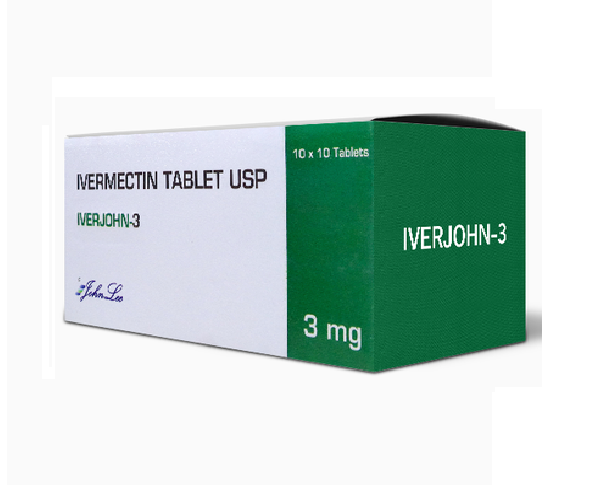
When Topical Treatments Are Not Enough
If you have tried topical treatments for scabies and nothing is working, or if a parasitic infection keeps coming back despite repeated courses of medication, you know how exhausting that cycle feels. Recurring threadworm infections, stubborn scabies, and tropical parasitic diseases are not just uncomfortable; they can chip away at your quality of life over months or even years. The good news is that oral ivermectin has been helping patients break that cycle for decades, and Iverjohn 3mg is a trusted, widely available form of this proven antiparasitic medicine.
What Is Iverjohn 3mg?
Iverjohn 3mg is an oral tablet containing Ivermectin USP 3mg as the active ingredient, manufactured by Johnlee Pharmaceuticals Pvt. Ltd., a Mumbai-based company that holds ISO 9001:2015 certification and operates under WHO-GMP guidelines. Ivermectin belongs to the anthelmintic class of drugs and works by disrupting the nervous systems of parasites. It is included on the WHO List of Essential Medicines, which means global health authorities recognise it as safe, effective, and necessary for treating a defined set of serious infections. Each tablet delivers a precise 3mg dose, making it easy to calculate the right amount based on your body weight.
What Does This Tablet Treat?
Strongyloidiasis (Intestinal Threadworm Infection)
Strongyloidiasis is an intestinal infection caused by Strongyloides stercoralis, a threadworm that burrows through skin, migrates to the gut, and can self-replicate inside the body for years without symptoms. A single oral dose of ivermectin clears the infection in most cases by paralysing the larvae and preventing them from completing their life cycle inside you.
Onchocerciasis (River Blindness)
Caused by the parasitic worm Onchocerca volvulus and transmitted through blackfly bites near fast-flowing rivers, onchocerciasis can lead to permanent vision loss if left untreated. Ivermectin kills the larval stage of the parasite (microfilariae) and is the cornerstone treatment in mass drug administration programmes run by the WHO across sub-Saharan Africa and Latin America.
Lymphatic Filariasis (Elephantiasis)
Lymphatic filariasis is caused by microscopic worms, most commonly Wuchereria bancrofti, which block the lymphatic system and in advanced cases cause severe swelling of the limbs and genitals (a condition known as elephantiasis). Ivermectin, used as part of a combination treatment, kills the circulating microfilariae and helps prevent further transmission in endemic regions.
Chronic or Treatment-Resistant Scabies
When permethrin cream fails to clear Sarcoptes scabiei infestation, doctors frequently turn to oral ivermectin as the next step. The mite burrows into the skin and can be difficult to reach with topical agents alone, especially in crusted (Norwegian) scabies. Oral ivermectin penetrates the skin from within, reaching mites that topical treatments miss.
How Does It Work?
Ivermectin targets glutamate-gated chloride channels (GluCl channels) found exclusively in the nerve and muscle cells of invertebrates such as worms, mites, and insects. By binding to these GluCl channels, ivermectin forces them open, allowing chloride ions to flood into the parasite’s nerve cells. This flood of chloride causes hyperpolarisation, which effectively paralyses and then kills the parasite. Crucially, mammals, including humans, do not have these glutamate-gated chloride channels in their central nervous systems, which is why therapeutic doses of ivermectin are well tolerated by patients while being lethal to parasites.
Dosage Guide by Body Weight
Doctors calculate the correct ivermectin dose based on body weight. The table below shows typical dosing ranges for adults and children over 15 kg, based on the standard 150-200 mcg/kg guideline.
| Body Weight | Recommended Dose | No. of 3mg Tablets | Notes |
| 15-24 kg | ~3 mg | 1 tablet | Confirm exact dose with your doctor |
| 25-35 kg | ~4.5-6 mg | 1.5-2 tablets | Confirm exact dose with your doctor |
| 36-50 kg | ~6-9 mg | 2-3 tablets | Confirm exact dose with your doctor |
| 51-65 kg | ~9-12 mg | 3-4 tablets | Confirm exact dose with your doctor |
| 66-79 kg | ~12-15 mg | 4-5 tablets | Confirm exact dose with your doctor |
| 80+ kg | 15+ mg | 5+ tablets (as prescribed) | Confirm exact dose with your doctor |
These figures follow the standard 150-200 mcg/kg dosing guideline. Always confirm your exact dose with a licensed healthcare provider before starting treatment.
How to Take This Medication
You take ivermectin on an empty stomach, at least one hour before eating or two hours after a meal, with a full glass of water. Swallowing the tablet whole gives you the best absorption. A single dose treats most infections effectively, though your doctor may prescribe a repeat dose for scabies after two weeks, since the medication does not kill scabies eggs, and a second round clears any larvae that have hatched in the interim. For lymphatic filariasis, doctors often prescribe repeat dosing every six to twelve months to maintain suppression of microfilariae. Do not crush or chew the tablet. Staying well-hydrated throughout your treatment period also helps your body process the medication smoothly.
Side Effects
Most people tolerate ivermectin well. The common mild effects, including headache, dizziness, nausea, a temporary skin rash, or mild abdominal discomfort, usually resolve on their own within a day or two. In fact, some of these are a reassuring sign that the medication is doing its job and killing off parasites.
A less common but notable reaction is the Mazzotti reaction, which involves a temporary worsening of symptoms, such as itching, rash, fever, or swelling, caused by your immune system responding to dying parasites. It can feel alarming, but it is a known and expected part of treatment for filarial infections. If you experience more serious symptoms, including significant facial or limb swelling, rapid heartbeat, difficulty breathing, or seizures, seek medical attention promptly.
Who Should Not Take?
You should not take ivermectin if you have a known allergy to it. Pregnant women and breastfeeding mothers should avoid it unless a doctor explicitly determines that the benefit outweighs the risk in their specific situation. People with severe liver disease should also discuss alternatives with their doctor, as the liver metabolises ivermectin.
One important safety consideration: if you live in or have travelled to parts of Central Africa where Loa loa (eye worm) is endemic, you need testing before taking ivermectin. High levels of Loa loa microfilariae in the blood combined with ivermectin can trigger a serious and potentially life-threatening neurological reaction.
On the drug interaction side, ivermectin can increase the anticoagulant effect of warfarin, raising your risk of bleeding, so your INR levels need monitoring if you take both. Combining ivermectin with diethylcarbamazine (DEC) in patients with certain filarial infections can cause serious cutaneous reactions, so this combination requires careful medical supervision.
Storage Instructions
Store Iverjohn 3mg tablets below 30 degrees Celsius in a cool, dry place away from direct sunlight and moisture. Keep the tablets out of reach of children at all times. Check the expiry date printed on the packaging before use and do not take tablets past their expiry date.
Frequently Asked Questions
-
What is Iverjohn 3mg used for?
Iverjohn 3mg is used to treat parasitic infections including strongyloidiasis (intestinal threadworms), onchocerciasis (river blindness), lymphatic filariasis, and scabies caused by Sarcoptes scabiei, particularly when topical treatments have not worked. It belongs to the anthelmintic class of medicines and is recognised on the WHO List of Essential Medicines.
-
What is the difference between 3mg and 6mg?
The only difference is the amount of ivermectin in each tablet. Iverjohn 3mg contains 3 milligrams per tablet, while Iverjohn 6mg contains 6 milligrams. Both contain the same active ingredient from the same manufacturer. Doctors choose the tablet strength based on your weight and which formulation makes it easiest to achieve the correct dose.
-
How long does it take for Iverjohn 3mg to work?
You may notice improvement within 24 to 48 hours of taking the dose, as the medication begins paralysing and killing parasites quickly. For scabies, itching can persist for up to two to four weeks even after successful treatment, because dead mites and their waste products remain in the skin until your body clears them. This does not mean the treatment has failed.
-
Is ivermectin in Iverjohn 3mg safe for humans?
Yes, ivermectin has a long and well-established safety record in humans when used at the approved doses for antiparasitic treatment. It has been used safely in billions of doses through WHO-led programmes since the 1980s. The key is using the correct weight-based dose; taking more than prescribed does not improve outcomes and increases the risk of side effects.
-
What should I eat before taking Iverjohn 3mg?
You should take Iverjohn 3mg on an empty stomach for best absorption. That means nothing to eat for at least one hour before your dose, or at least two hours after your last meal. Drinking a full glass of water with the tablet is recommended. Avoid taking it with a high-fat meal, as fat can alter how quickly and how much ivermectin your body absorbs.
-
Can I take Iverjohn 3mg if I have scabies that did not respond to permethrin cream?
Yes, oral ivermectin is one of the most widely used treatment options when permethrin cream has failed. Doctors recommend it for treatment-resistant scabies and for crusted (Norwegian) scabies, where the mite burden is too high for topical treatment alone. Your doctor will typically prescribe a second dose two weeks after the first to catch any mites that hatched from eggs after the initial treatment.
Medical References
Medical Disclaimer: This product description is for informational purposes only and does not constitute medical advice. Always consult a qualified healthcare professional before starting any new medication.


Reviews
There are no reviews yet.