
Parsite Care
-
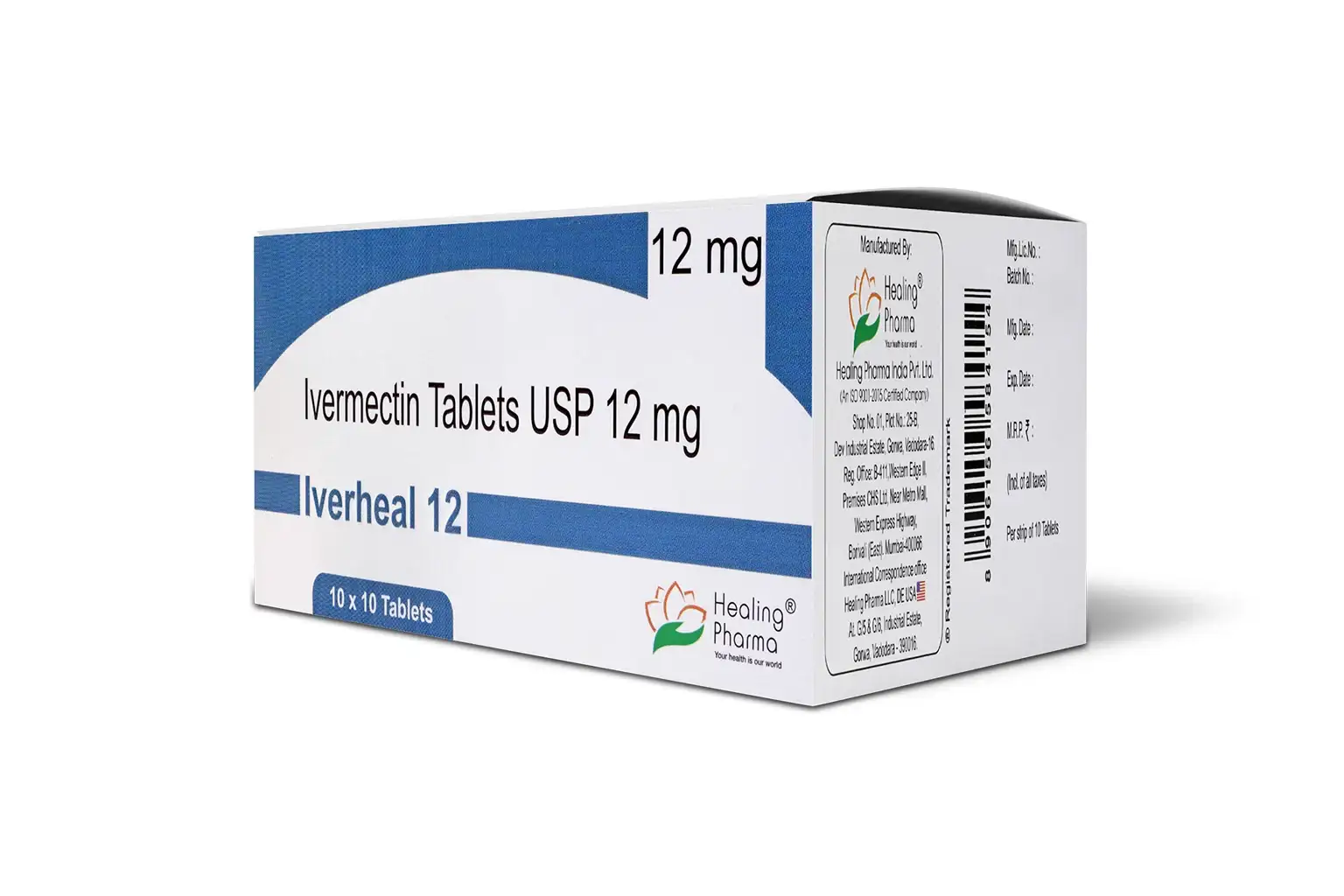
Iverheal 12 mg
$40.00 – $300.00Price range: $40.00 through $300.00Rated 4 out of 5Shop Now This product has multiple variants. The options may be chosen on the product page -
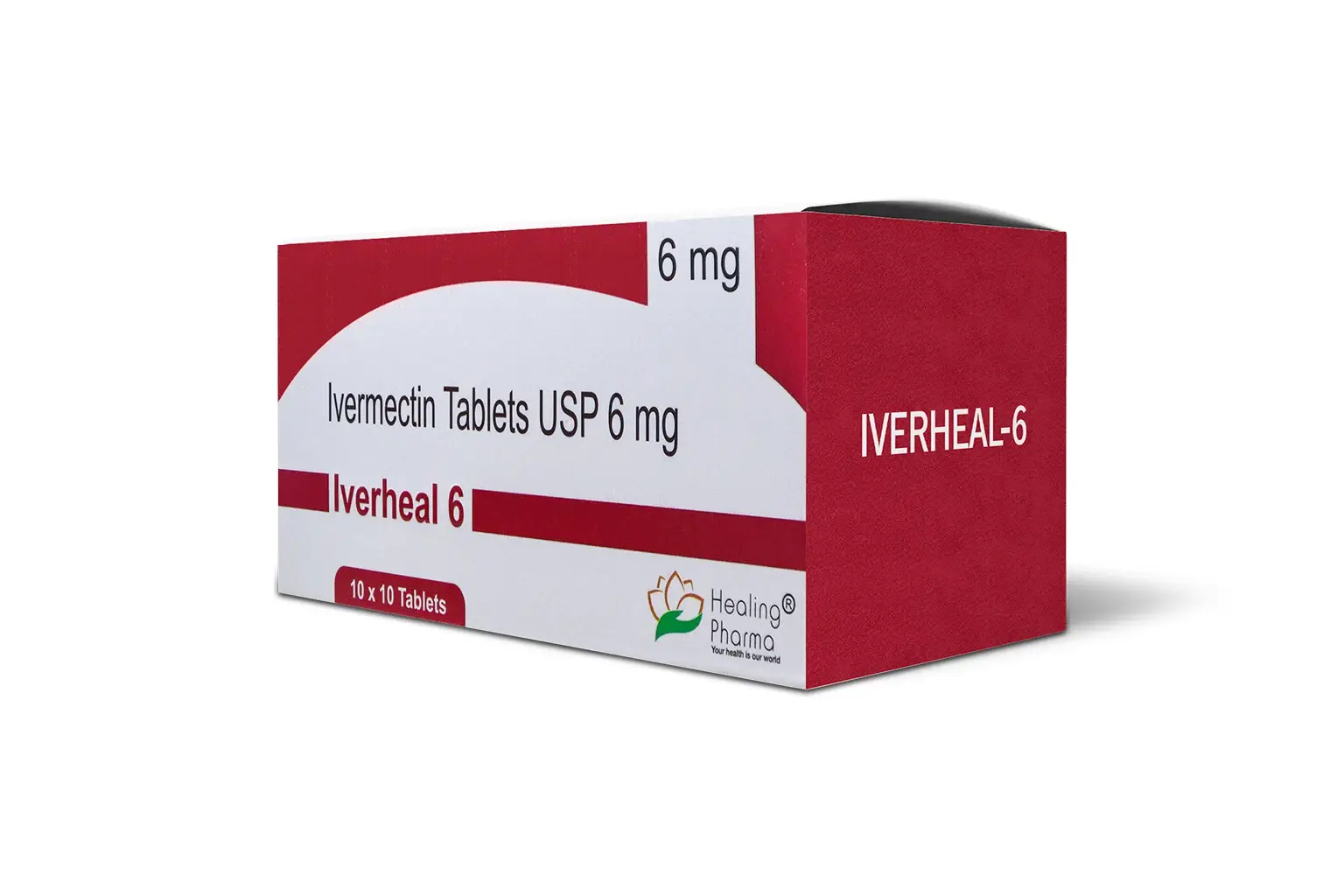
Iverheal 6mg
$50.00 – $280.00Price range: $50.00 through $280.00Rated 4 out of 5Shop Now This product has multiple variants. The options may be chosen on the product page -
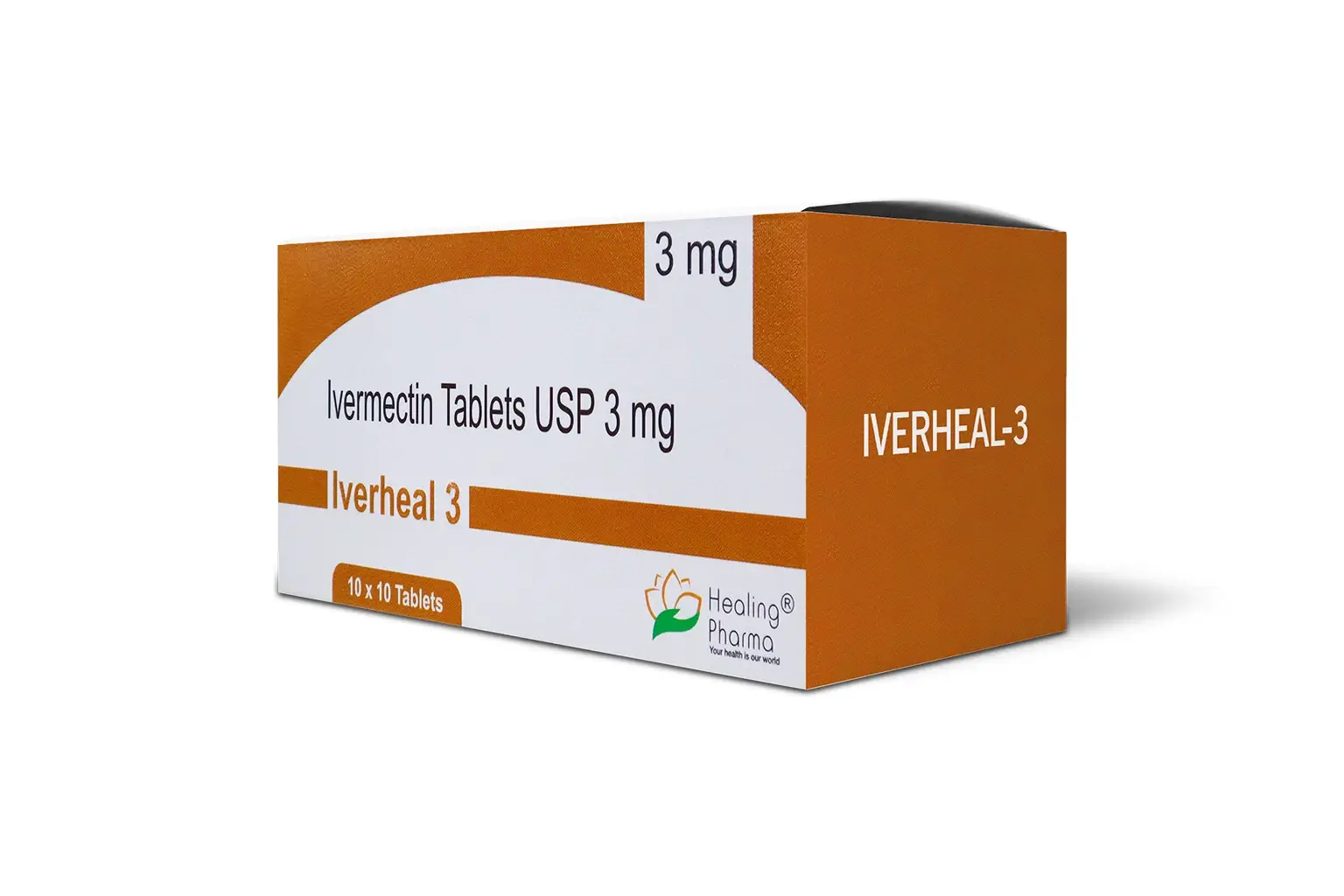
Iverheal 3mg
$30.00 – $200.00Price range: $30.00 through $200.00Rated 4 out of 5Shop Now This product has multiple variants. The options may be chosen on the product page -
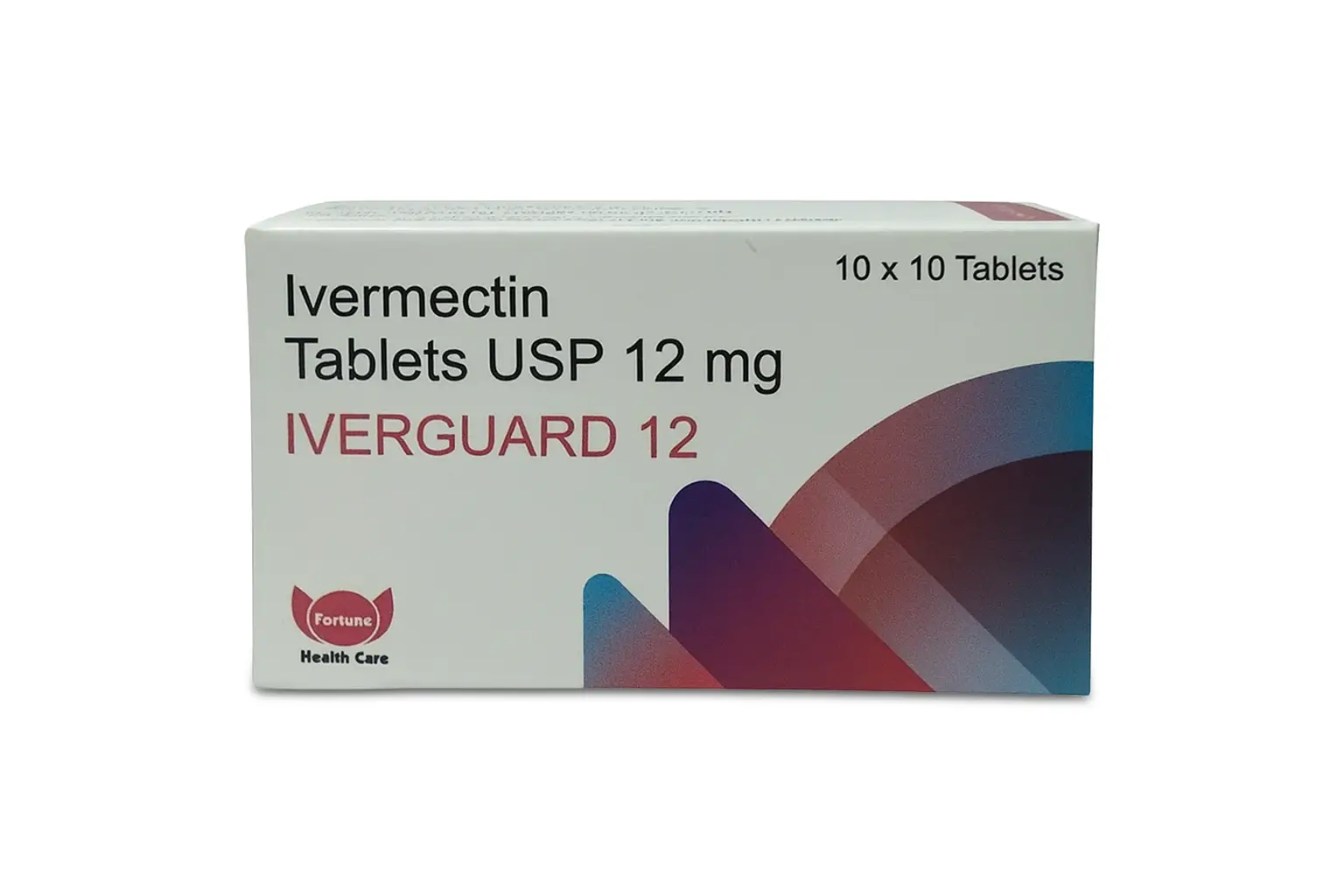
Iverguard 12 Mg
$40.00 – $280.00Price range: $40.00 through $280.00Rated 4 out of 5Shop Now This product has multiple variants. The options may be chosen on the product page -

Iverhuman 12 mg
$28.00 – $295.00Price range: $28.00 through $295.00Rated 4 out of 5Shop Now This product has multiple variants. The options may be chosen on the product page -
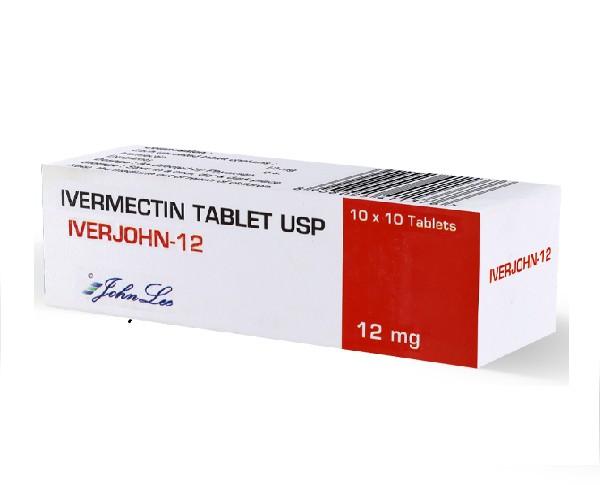
Iverjohn 12mg
$40.00 – $290.00Price range: $40.00 through $290.00Rated 4 out of 5Shop Now This product has multiple variants. The options may be chosen on the product page -
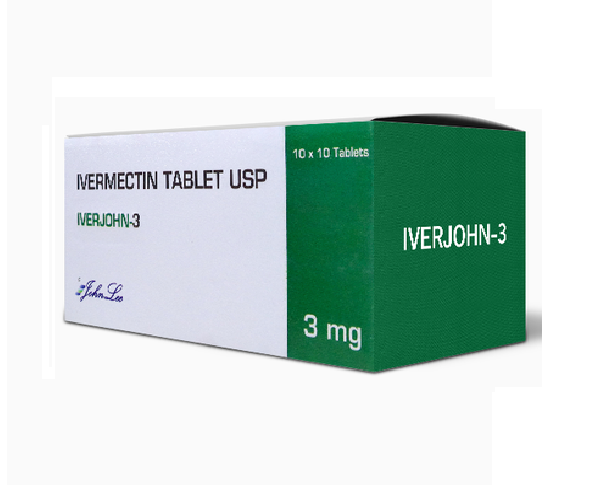
Iverjohn 3mg
$50.00 – $280.00Price range: $50.00 through $280.00Rated 4 out of 5Shop Now This product has multiple variants. The options may be chosen on the product page -

Iverjohn 6mg
$30.00 – $230.00Price range: $30.00 through $230.00Rated 4 out of 5Shop Now This product has multiple variants. The options may be chosen on the product page
Parasitic infections occur when organisms such as worms, mites, or insects live on or inside the human body and draw resources from it. In adults, these infections can affect the digestive system, skin, or scalp, and symptoms range from mild irritation to noticeable discomfort or fatigue. Because parasites can persist and sometimes spread within households if untreated, addressing them with an appropriate antiparasitic treatment is an important part of restoring normal health.
What Are Parasitic Infections
Parasitic infections cover a broad group of conditions caused by different organisms. Intestinal worms, including roundworms and threadworms, live in the digestive tract and are often acquired through contaminated food, water, or soil. Ectoparasites such as scabies mites and lice live on the skin or scalp and spread through close personal contact or shared items like bedding and clothing.
Adults can encounter these infections through travel, contact with infected individuals, household pets, or everyday environmental exposure. Helminth infections in particular are common worldwide and are not limited to any one region or lifestyle. In many cases, the infection causes only mild symptoms, which is why awareness and testing matter.
How Antiparasitic Medications Work
Antiparasitic agents are designed to disrupt the way a parasite’s nervous system or muscles function. By interfering with these processes, the medication causes the parasite to become paralysed, which stops it from feeding, moving, or reproducing inside or on the body.
Once the parasite can no longer survive in this state, it is cleared from the body through natural processes. This class of medication is generally targeted, meaning it acts on biological pathways that differ between parasites and humans. The exact mechanism can vary slightly depending on the type of organism being treated.
Choosing the Right Treatment
The most suitable antiparasitic treatment depends on several factors, including the specific type of parasite involved, how long the infection has been present, and the overall health profile of the patient. Some infections respond well to a single course of treatment, while others may require a longer or repeated approach under medical guidance.
For adults looking for a clinically established option, our Ivermectin tablets section covers available strengths, dosage information, and clinical guidance.
Matching the treatment to the specific infection is important, since not all antiparasitic agents work on every type of organism. A clear understanding of the diagnosis helps ensure the chosen approach is appropriate.
When to Consult a Doctor
A correct diagnosis is an important first step before starting any antiparasitic treatment, since symptoms of different infections can overlap. Dosage and duration of treatment often depend on individual factors such as body weight, age, and any existing health conditions.
Some patients, including those who are pregnant, breastfeeding, or managing other medical conditions, may need medical clearance before using antiparasitic medications. A doctor or pharmacist can help confirm whether a particular treatment is suitable.
FAQs
Q1: What are the most common parasitic infections in adults?
The most common types include intestinal worm infections such as roundworm and threadworm, as well as ectoparasite infestations like scabies and lice. These are found worldwide and affect people of all backgrounds.
Q2: How do I know if I have a parasitic infection?
Symptoms vary depending on the type of parasite, but can include digestive discomfort, itching, skin irritation, or unexplained tiredness. A healthcare provider can confirm a diagnosis through examination or testing.
Q3: Are antiparasitic medications safe for long-term use?
Antiparasitic medications are generally intended for short courses rather than ongoing use. Long-term use should only occur under the guidance of a healthcare professional based on individual circumstances.
Medical Disclaimer: This content is for general informational purposes only and does not replace professional medical advice, diagnosis, or treatment. Always consult a qualified healthcare provider regarding any health condition or before starting any medication.